
 As the world progresses towards a greener and more sustainable future, the automotive industry is at the forefront of this transformation with the advent of electric vehicles (EVs). Australia, with its vast landscapes and environmental challenges, stands to gain immensely from adopting electric cars. In this blog post, we will explore the benefits that electric cars offer to both individuals and the nation as a whole. Environmental Advantages Australia is renowned for its stunning natural beauty, but it also faces significant environmental concerns, including air pollution and greenhouse gas emissions. Electric cars produce zero tailpipe emissions, reducing the overall carbon footprint and contributing to cleaner air quality. By transitioning to electric cars, we can help mitigate climate change, protect our unique ecosystems, and secure a healthier future for generations to come. Lower Operating Costs Electric vehicles offer considerable savings in operating costs compared to their traditional petrol or diesel counterparts. Electricity is generally cheaper than fossil fuels, which means lower fuel expenses for EV owners. Moreover, electric cars have fewer moving parts and require less maintenance, reducing servicing and repair costs over time. Energy Independence Australia has abundant natural resources, including an abundance of sunshine, wind, and geothermal energy. By adopting electric vehicles, we can tap into our renewable energy potential and reduce our reliance on imported fossil fuels. Embracing EVs also aligns with the country's push towards energy independence, fostering greater economic stability and security. Economic Growth and Job Creation The transition to electric vehicles presents an opportunity for economic growth and job creation in Australia. The development and manufacturing of EV components, charging infrastructure installation, and battery technology advancements are all industries that can spur job opportunities and stimulate innovation. By investing in the electric vehicle market, Australia can position itself at the forefront of the global green economy. Reduced Noise Pollution In urban areas, traffic noise can be a major source of annoyance and stress for residents. Electric vehicles operate much more quietly than traditional internal combustion engine cars, contributing to a quieter and more pleasant living environment. Incentives and Support Various incentives and support schemes are being introduced by the Australian government to encourage the adoption of electric vehicles. These incentives may include tax credits, grants, reduced registration fees, and access to bus lanes. Such support not only promotes cleaner transportation but also makes EVs more accessible to a broader range of consumers. Conclusion Embracing electric vehicles in Australia is a pivotal step towards a sustainable and greener future. Beyond the environmental benefits, electric cars offer cost savings, energy independence, job opportunities, and improved quality of life for residents. As the country continues to invest in charging infrastructure and renewable energy, the widespread adoption of electric vehicles will undoubtedly play a significant role in shaping a cleaner and more prosperous Australia for generations to come. Let us all play our part in supporting this positive transition and driving towards a more sustainable tomorrow. 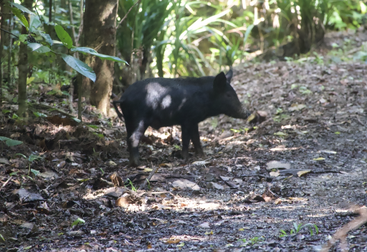 Tropical rainforests are often referred to as the Earth's lungs, playing a crucial role in maintaining global biodiversity and climate regulation. However, these ecologically rich ecosystems face numerous threats, some of which may come as a surprise. One such unexpected menace is the impact of pigs on Australia's tropical rainforests. In this blog post, we will explore the ramifications of these seemingly harmless creatures and shed light on their significance in the context of forest conservation.
Pigs in Tropical Rainforests: Unraveling the Problem Pigs, which are domesticated animals, might not seem like an obvious threat to rainforest ecosystems. However, their introduction into these delicate environments has been detrimental to the native flora and fauna. The issue arises when domestic pigs, either intentionally or accidentally, are released into the wild or semi-wild conditions in tropical rainforests. Their impact can be devastating for several reasons:
Conservation Efforts and the Way Forward Recognizing the threat posed by pigs in tropical rainforests is the first step toward finding solutions. To mitigate their impact, several measures can be taken:
The impact of pigs in tropical rainforests is an often-overlooked environmental concern that demands attention. These seemingly harmless animals can disrupt the intricate balance of these precious ecosystems, posing serious threats to biodiversity and ecological stability. To protect the future of tropical rainforests, collaborative efforts are essential. By raising awareness, implementing regulations, and undertaking targeted conservation actions, we can minimize the adverse effects of pigs and secure the longevity of these irreplaceable havens of biodiversity.
 Reef protection regulations will apply across the Wet Tropics, Burdekin, Mackay Whitsunday, Fitzroy and Burnett Mary regions for beef cattle grazing, sugarcane production and banana growing from 1 December 2022.
Graziers in the Wet Tropics, Mackay Whitsunday and Burnett Mary; sugarcane producers in the Fitzroy and Burnett Mary; and banana growers in the Burdekin, Mackay Whitsunday, Fitzroy and Burnett Mary will join producers who are already regulated. Two online information sessions are being held on 15 and 17 November 2022 for sugarcane production and beef cattle grazing to help producers understand what they need to do to comply. If you have questions about the changes, email ESReef@des.qld.gov.au or register for an online session.
|


EcoHub Pty Ltd | Sharing Sustainable Solutions Since 2005
ACN 644094566
ACN 644094566